UG
Ulrich Gall
The Harbor Seal Sanctuary of Alameda Point
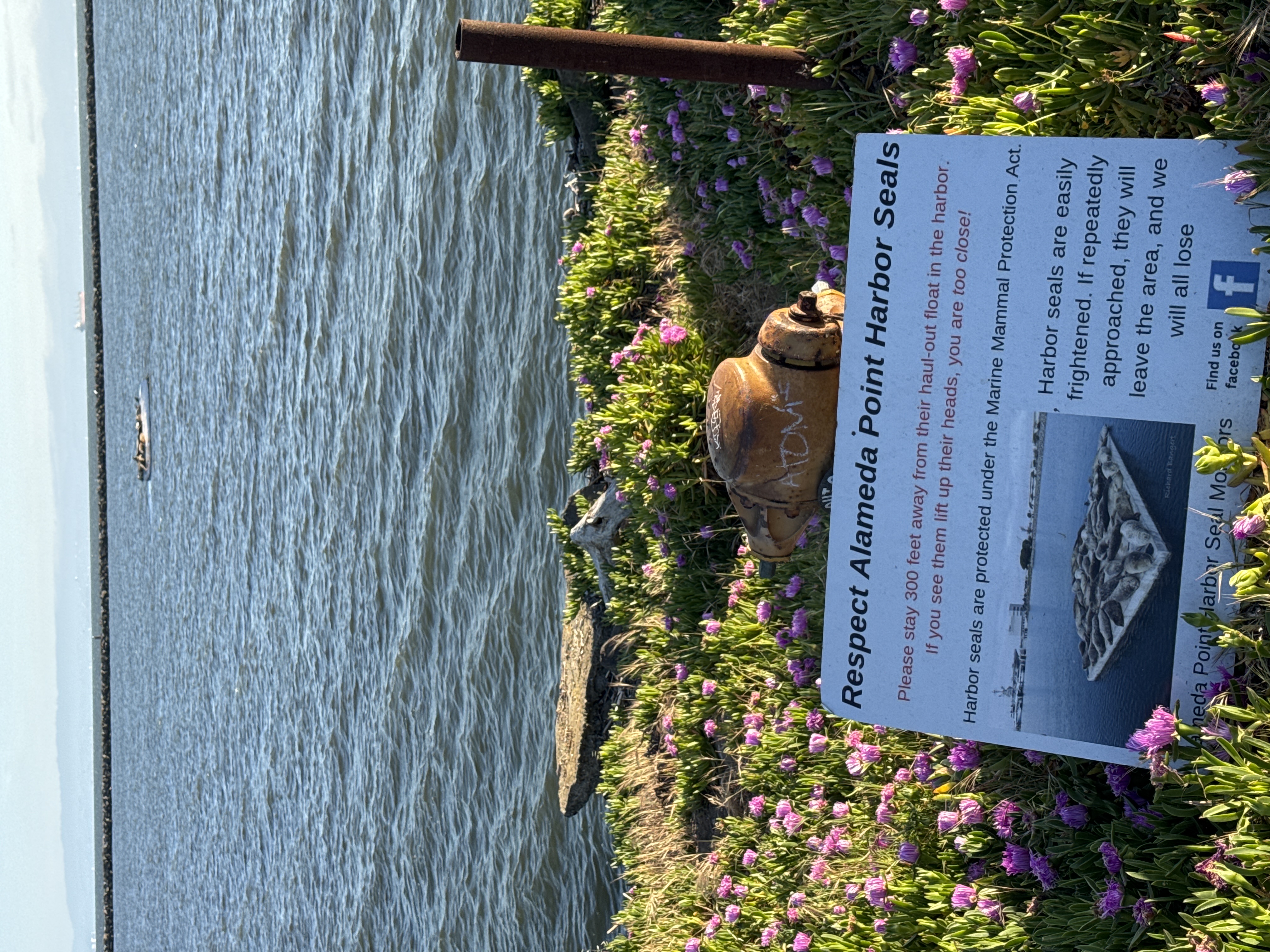
While many visitors to the San Francisco Bay expect to see the famous, rowdy sea lions of Pier 39, the harbor seals at Alameda Point represent a far more peaceful and locally-coordinated success story in urban wildlife conservation. Floating just offshore is a dedicated "haul-out" platform, a custom-built oasis specifically designed to give these sensitive marine mammals a safe place to rest, regulate their body temperature, and socialized away from the reach of land predators and human disturbance.
Harbor seals are notably different from their sea lion cousins; they are smaller, lack external ear flaps, and are much more skittish. Because they cannot "walk" on their flippers like sea lions do—instead moving on land with a caterpillar-like undulating motion—they are particularly vulnerable when out of the water. This platform was installed by local volunteers and environmental groups to replace old, deteriorating naval structures that the seals had used for decades when this area was the Alameda Naval Air Station.
The rule of thumb here is literal: if you see a seal lift its head to look at you, you’ve already breached their comfort zone. This behavior, known as "flushing," is a sign of stress that can cause the entire colony to bolt into the water, wasting precious energy they need for hunting and pup-rearing. The presence of these seals is an excellent bio-indicator of the health of the Bay's ecosystem, as they rely on a steady supply of local fish and clean water. Observing them from this distance provides a rare window into the natural rhythms of the California coast, persisting right alongside the industrial and naval history of the East Bay.
Alameda Point Harbor Seal Haul-out
This floating platform in the breakwater is a "haul-out" float, specifically designed to protect a colony of Pacific harbor seals near the former Alameda Naval Air Station. Harbor seals are "land-obligate" mammals; they must leave the water to rest, regulate body temperature, and give birth, but they are extremely skittish. Because they lack external ear flaps (unlike sea lions) and cannot rotate their hind flippers forward to "walk," they are vulnerable and clumsy on land.
The 300-foot buffer mentioned on the sign is a guideline to prevent "flushing"—a panic response where the entire colony rushes into the water. This is biologically taxing; repeated disturbances can lead to permanent site abandonment or the death of pups if separated from mothers. Under the 1972 Marine Mammal Protection Act (MMPA), causing this reaction is considered "harassment" and can lead to federal fines or imprisonment. Interestingly, if a seal is "bottling" (floating vertically with just its nose up) or "banana-ing" (curling its head and tail up while resting), it is a sign of high comfort; head-lifting and staring directly at you is the first warning sign that you are a perceived predator.
Alameda Point Harbor Seal Colony
Floating in the distance is a dedicated "haul-out" platform, specifically designed for a resident colony of Pacific harbor seals (*Phoca vitulina*). Unlike sea lions, harbor seals cannot rotate their rear flippers forward, making them clumsy on land; they require these flat, low-profile surfaces to rest, regulate body temperature, and nurse pups.
The Alameda Point colony is unique for its urban proximity at a former Naval Air Station. These seals are highly sensitive to "flushing"—a survival reflex where they bolt into the water when spooked. Repeated flushing causes chronic stress and can lead to pup abandonment. This vulnerability is why they are protected under the Federal Marine Mammal Protection Act (1972). Harassing or causing them to move can result in fines up to $10,000.
The vibrant purple groundcover surrounding the sign is *Carpobrotus edulis*, commonly known as Ice Plant or Sea Fig. Native to South Africa, it was widely planted in California for erosion control but is now considered a highly invasive species that chokes out native coastal flora.